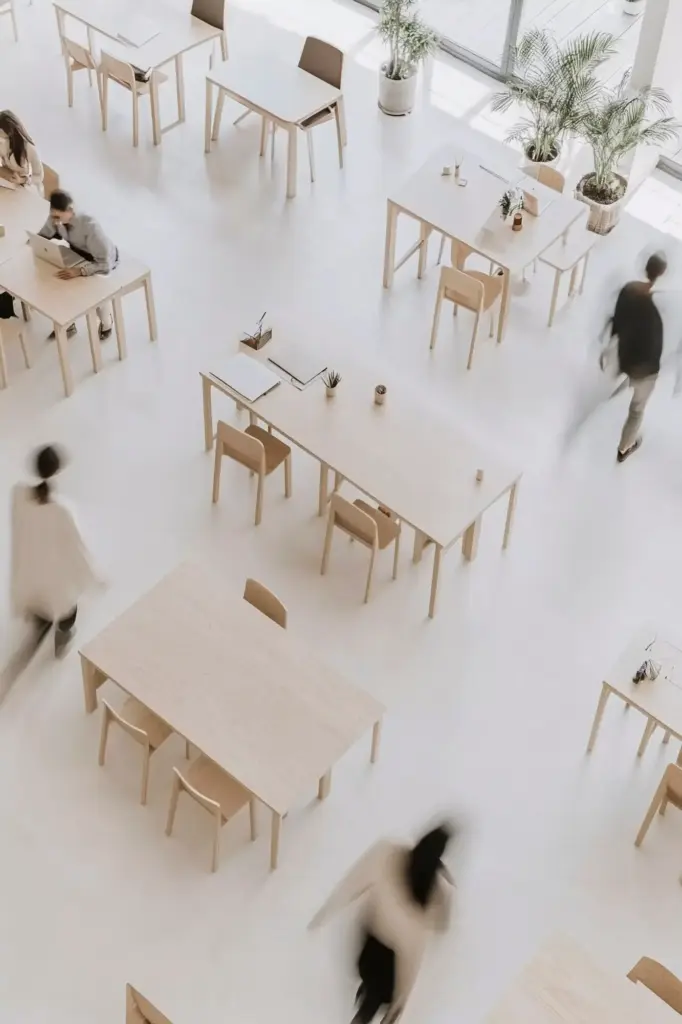
Quiet Confidence with Layered Neutrals and Tactile Depth

Today we’re exploring layered neutrals and texture: a guide to subtle sophistication that balances calm with character. Expect practical methods, designer-backed insights, and real-life stories that show how linen, wool, stone, and wood create depth without noise. By the end, you’ll know how to build a room that whispers luxury, photographs beautifully in any light, and feels welcoming every single day.

Choosing a Grounded Neutral Palette

Successful neutral palettes begin with undertones, context, and light. Cream can read yellow in afternoon sun; gray can look blue beside cool LEDs; greige warms up against oak flooring. Start with a hero neutral, then audition cousins across walls, textiles, and finishes. Test swatches at different times of day, and compare them against flooring, trim, and upholstery. When neutrals relate, textures can shine; when they clash, everything feels unsettled.

Reading Undertones with Confidence

Place your prospective paint or fabric next to the truest white you own and a known warm reference, like natural oak. Look for shifts toward pink, green, yellow, or violet. That tiny nudge determines whether your beige feels sunlit or stale. Build out from that undertone consistently, and neutrals suddenly connect like a considered family rather than a random pile.

Testing in Real Light, Not the Store

Tape large samples to multiple walls and leave them for at least two full days. Observe morning coolness, midday neutrality, and evening warmth. Photograph on your phone to catch color casts your eyes normalize away. Notice how fabrics change against different woods and stones. A careful light study saves money, repainting, and disappointment later.

Balancing Warm and Cool Without Conflict

Mixing temperatures works when you assign roles. Let warm elements anchor—oak floors, wool rugs, parchment shades—while cool notes refine—honed marble, oatmeal linen, soft gray clay. Repeat each temperature at least three times to make the conversation intentional. When warm and cool appear in balanced echoes, the space feels alive, not indecisive.
Texture: The Quiet Force Behind Depth

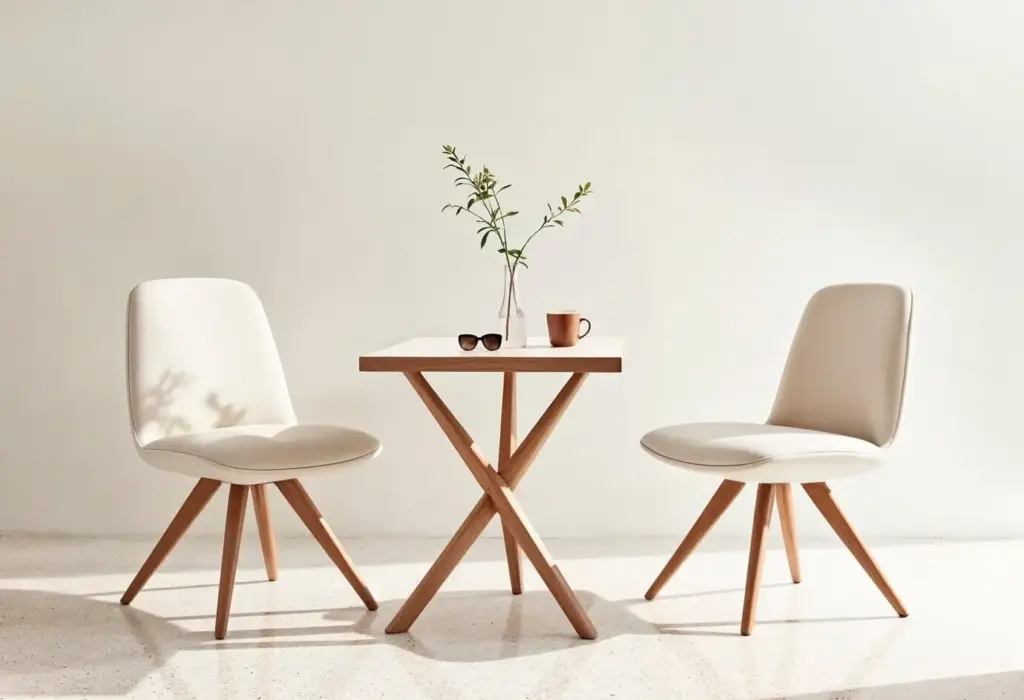
Texture transforms a neutral palette from flat to irresistible. Think nubby bouclé, slubbed linen, brushed cotton, tumbled stone, limewashed walls, and open-grain oak. Each surface catches light differently, layering shadows that read as richness. Combine matte and soft-sheen finishes to create visual rhythm. A room should invite fingertips—if you want to touch it, you’re halfway to subtle sophistication.

Soft Layers That Set the Mood

Start with a generous rug to anchor the acoustic and tactile experience. Add linen curtains that whisper when the window opens, a bouclé chair for playful contrast, and a cashmere throw for quiet indulgence. Keep patterns restrained, letting weave and nap carry the interest. The goal is tactile dialogue, not visual shouting.

Hard Surfaces with Gentle Character

Honed stone, unlacquered brass, limewashed plaster, and cerused oak bring age and credibility. Imperfections catch light softly, turning walls and tables into living backgrounds. Choose subtle movement in stone rather than bold veining. Favor hand-glazed tiles over machine-perfect ones. These details read as calm yet storied, especially under grazing light at dusk.

Contrast Through Finish, Not Color

When color sits quietly, finishes do the storytelling. Pair matte walls with satin wood, rough ceramics with smooth glass, and featherweight sheers with dense wool. The differences give your eye something to explore. Keep transitions intentional: repeating a finish at least twice ensures cohesion while preserving that delicious, understated tension.

A Layering Method: Scale, Proportion, Repetition

Think of layering as an orchestration of big, medium, and small gestures. Large surfaces set the tone, mid-scale elements carry rhythm, and fine details add nuance. Repetition builds trust; variation sustains interest. When in doubt, reduce color variation and increase textural range. The result feels curated, personal, and inherently calm.

Foundations: The Big Moves

Walls, floors, and the largest upholstery pieces establish the baseline. Choose a calm, friendly neutral for walls, then a comfortable rug that harmonizes with floor tone. Anchor seating with fabrics carrying subtle weave. Keep these choices restrained so everything layered next can shine without competition.

The Middle Layer: Rhythm and Relief

Side tables, throws, ottomans, and lighting build the rhythm. Alternate textures—linen against leather, ceramic beside wood, raffia near stone. If two adjacent objects share similar color, prioritize contrasting texture to avoid monotony. This is where rooms start to feel collected rather than cataloged, offering small discoveries at every glance.

Accents That Honor Restraint

Accents should support the calm, not overwhelm it. Limit bold color to natural references—sage greens, rusts, charcoal, and bone. Consider botanicals, smoky glass, and aged metals as your punctuation. Art can stay monochrome or softly earthy, emphasizing texture, line, and gesture over loud palettes. Let a single piece lead, then echo its material language subtly elsewhere.

Earth-Derived Hues as Gentle Highlights

Think clay, lichen, river stone, and weathered bark. These references harmonize with linens and woods, preventing jarring transitions. A rust velvet pillow beside greige wool creates a delicious, grounded warmth. Use small doses across the room to nod to nature’s steadiness without stealing attention from texture.

Monochrome Art with Tactile Impact

Choose charcoal drawings, plaster reliefs, or textile art where texture tells the story. Handmade paper edges, stitched canvases, and layered gesso catch shadows beautifully. Frames should be quiet—oiled oak, blackened steel, or thin white profiles—so the surface quality feels like the main character rather than the border.
Light That Reveals, Not Shouts

Study how sun tracks your space. Sheers can diffuse harsh beams into gentle glow, helping textures stay readable rather than blown out. Position reflective pieces—glass, glazed ceramics—where they can catch glints without causing hotspots. Daylight is free, but needs guiding hands to flatter layered neutrals gracefully.
Mix table lamps, floor lamps, and concealed LEDs. Aim for 2700–3000K to flatter wood and fabric. Place light near textured surfaces to create shadows that invite touch. A small, dimmable lamp on a console can make linen curtains feel like a living backdrop every night.
Use wall washers to soften broad planes, and grazing to highlight limewash or brick. Add one tiny sparkle—perhaps a ribbed glass sconce or an unlacquered brass pin light—to punctuate the calm. With restraint, that single glint reads as jewelry, not noise.

Durability, Care, and Real-Life Ease

Neutrals and texture must stand up to living. Choose performance linens, wool blends, solution-dyed rugs, and sealed porous stones. Favor removable pillow covers and slipcovers. Test finishes for fingerprints and water rings. Embrace patina where appropriate, and protect where necessary. The goal is a home that feels elegant yet forgiving, never museum-precious.

Family- and Pet-Friendly Choices

Crypton or high-rub-count fabrics in oatmeal tones disguise daily life beautifully. Patterned weaves hide fur better than flat fabrics. Wool rugs naturally resist stains and bounce back from dents. Rounded corners and sturdy finishes keep sophistication intact without anxiety over every paw or spill.

Caring for Tactile Surfaces

Brush bouclé with a fabric comb, vacuum rugs regularly with a gentle head, and blot spills—never rub. Refresh limewash with a light touch-up rather than full repainting. Condition oiled woods seasonally. Maintenance becomes a ritual that preserves the quiet story your textures are telling.

Budget-Savvy Layering

Spend on foundational pieces—sofa, rug, and lighting—then build character with vintage ceramics, linen pillow covers, and woven baskets. A single limewash wall can transform a room inexpensively. Consistency beats quantity; a few well-chosen textures carry more weight than a cupboard of almost-rights.

Styling Vignettes That Feel Effortless
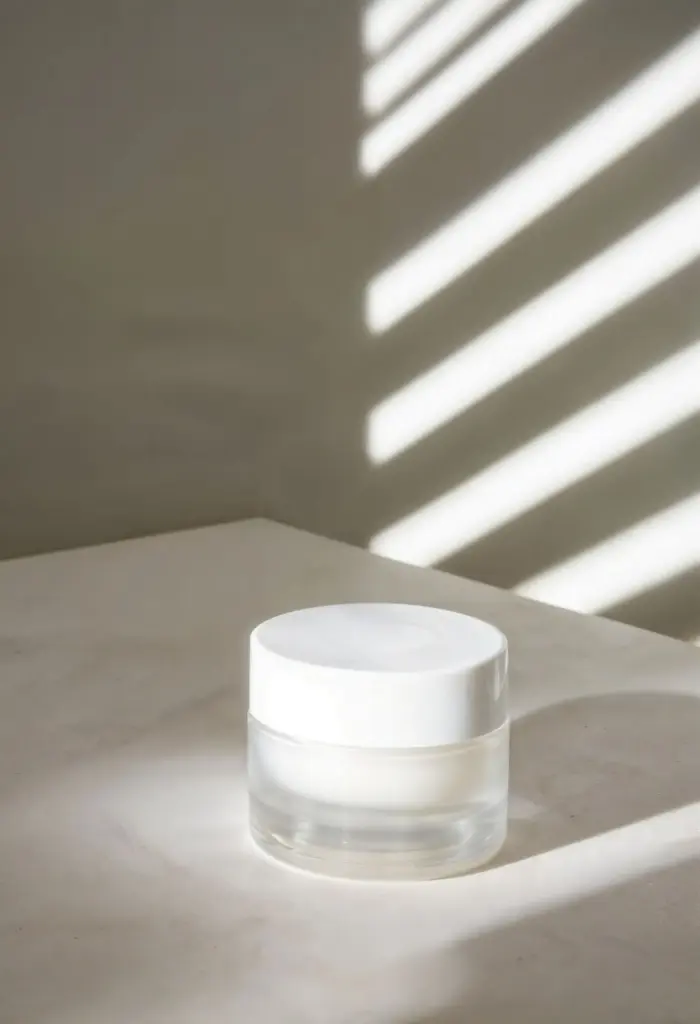
Small compositions teach the whole space how to behave. A console with a textured lamp, stacked linen-covered books, and a hand-thrown bowl communicates quiet layers instantly. Vary heights, relate materials, and leave negative space. When a vignette feels calm up close, the room begins to echo that serenity naturally.

Seasonal Shifts Without Upheaval

Let the room breathe with the calendar. In warmer months, lighten the tactile load—linen throws, airy sheers, and pale ceramics. As days shorten, introduce wool, mohair, and nubby knits. Keep the core palette steady while textures flex. This approach preserves identity while honoring comfort and climate.

Spring to Summer Refresh

Swap heavy blankets for gauzy layers, trade dark woods for pale trays, and add fresh greenery with long, architectural stems. Citrus-scented candles and clear glass amplify brightness. The space feels lifted, yet the neutral base remains a trustworthy anchor for everything you edit.

Autumn to Winter Cocoon

Reintroduce dense weaves and tactile cushions, drape a wool throw across the arm of the sofa, and consider a ribbed lampshade for diffused glow. Deepen accents—charcoal, bark, and clay—while keeping color restrained. The shift feels enveloping rather than heavy-handed.

A Simple Rotation Ritual

Store off-season textiles in breathable bags, catalog by texture and tone, and schedule a quarterly styling session. Photograph vignettes you love to recreate them later. With a small, thoughtful toolkit, seasonal updates stay enjoyable, fast, and budget-friendly while preserving your room’s gentle harmony.

Join the Conversation and Keep Exploring
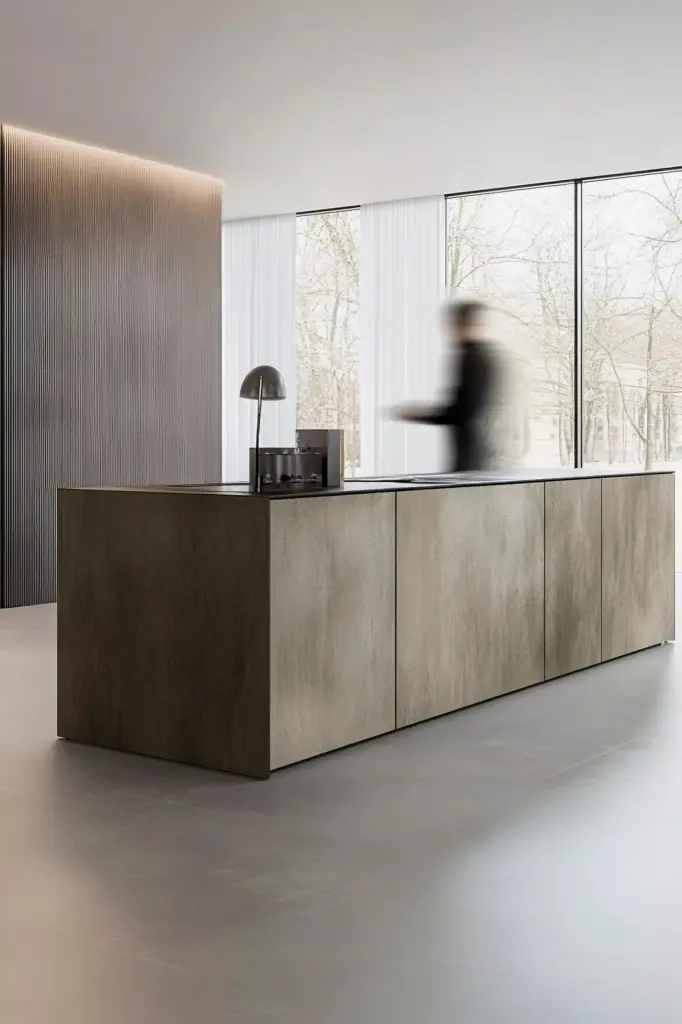
We’d love to see how you interpret layered neutrals and texture at home. Share a snapshot, describe your favorite material pairing, or ask for feedback on undertones and lighting. Subscribe for new stories, material guides, and styling exercises that build quiet confidence one thoughtful layer at a time.
Rutarafolalimazami
Privacy Overview

This website uses cookies so that we can provide you with the best user experience possible. Cookie information is stored in your browser and performs functions such as recognising you when you return to our website and helping our team to understand which sections of the website you find most interesting and useful.